
DriveX: Unified Global Integrated Vehicle Ecosystem Platform
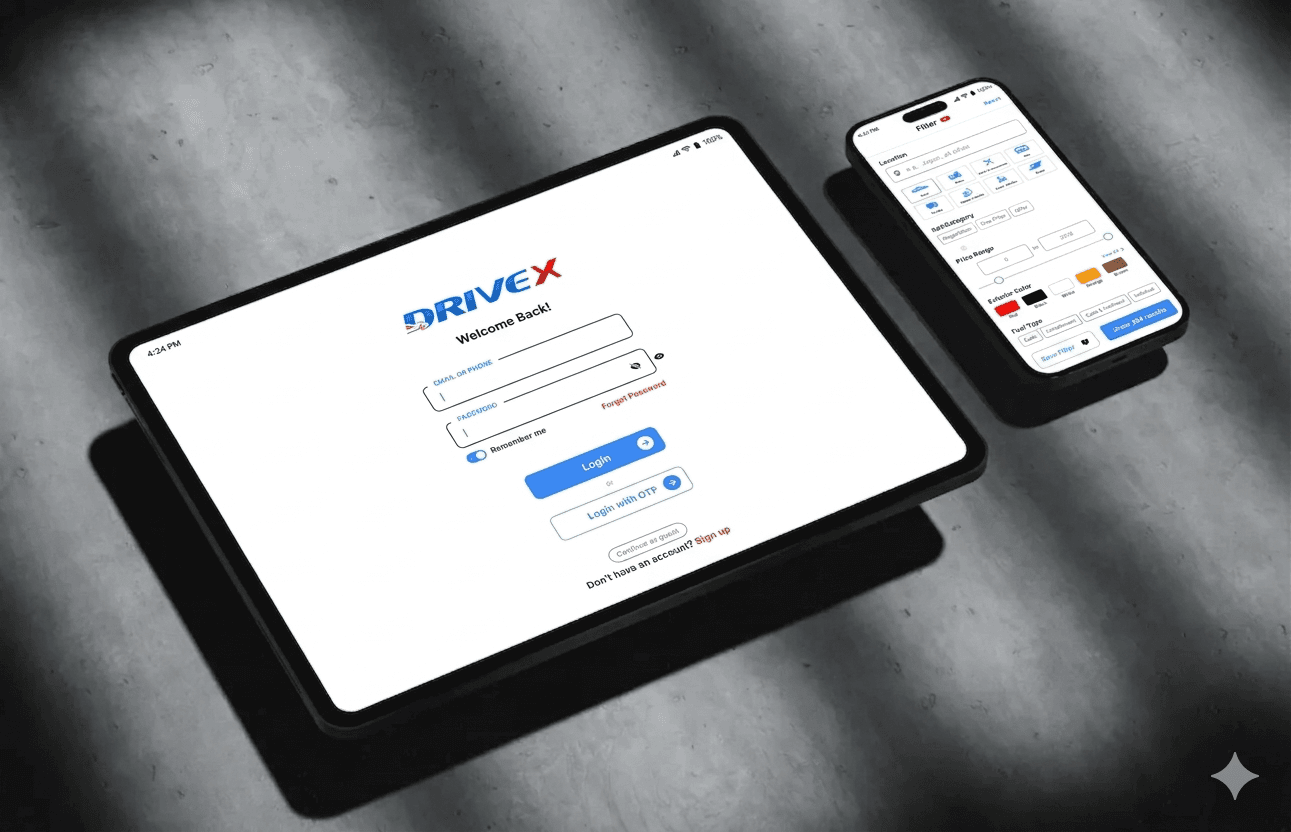
DriveX is a unified global marketplace designed to connect buyers and sellers across multiple automotive categories, auctions, and verification into a single scalable ecosystem.
Project Goals
and Objectives
DriveX is a production-grade backend platform engineered using Node.js and TypeScript to support a large-scale automotive marketplace. It consolidates fragmented vehicle markets into a single system, enabling real-time negotiation, logistics handling, auctions, and secure transactions for millions of listings and users.
DriveX: Key Problems in Automotive Marketplaces
Market Fragmentation
Users had to rely on multiple platforms for different vehicle categories, leading to inefficiency and poor user experience.
Incomplete Transaction Flow
Existing platforms only handled discovery, forcing users off-platform for negotiation, shipping, and fulfillment.
Static Pricing Limitations
Lack of auction systems prevented dynamic pricing for high-value and premium vehicles.
Slow Communication
Reliance on asynchronous communication like email slowed down deal negotiations and closure rates.
Trust & Verification Issues
No built-in verification systems increased fraud risks and reduced buyer confidence.
Inefficient Search
Basic keyword search failed to handle typos and lacked domain-specific filtering, reducing discovery efficiency.
System Architecture, Backend Development and Scaling
Research and Problem Analysis
Conducted deep research on existing automotive platforms to identify fragmentation, lack of trust, and inefficient transaction workflows.
Architecture Design
Designed a scalable backend architecture using Node.js, TypeScript, PostgreSQL, and Redis for high concurrency systems.
Core Feature Development
Built real-time messaging, auction systems, logistics aggregation, and structured negotiation workflows.
Database Modeling
Implemented multi-category schema using class table inheritance and PostGIS for geospatial capabilities.
Real-Time System Integration
Integrated WebSocket communication using Socket.io with Redis adapter for live auctions and messaging.
Performance Optimization
Used Redis caching, BullMQ job queues, and background workers to optimize performance and scalability.
Security Implementation
Implemented JWT authentication, RBAC authorization, and validation layers using Zod for secure operations.
Deployment and Scaling
Deployed a horizontally scalable system with load balancing and distributed architecture to support high traffic.
DriveX: Engineering Challenges & Solutions
Multi-Category Data Modeling
Handled diverse vehicle types by implementing flexible database schemas with category-specific attributes.
Real-Time Communication
Built WebSocket-based systems to enable instant buyer-seller messaging and live auction updates.
High-Concurrency Auctions
Managed real-time bidding using Redis state management and atomic operations to prevent race conditions.
Logistics Integration
Developed a system to aggregate real-time shipping quotes from multiple providers with tracking and booking.
Scalability Challenges
Designed a horizontally scalable architecture using load balancing, Redis clusters, and distributed workers.
DriveX: Why It Is a Powerful Solution
Advanced Search & Discovery
Fuzzy Search Engine: Implemented trigram-based indexing for typo-tolerant and high-performance search.
Smart Filtering: Enabled domain-specific filters for different vehicle types improving discovery accuracy.
Real-Time System Performance
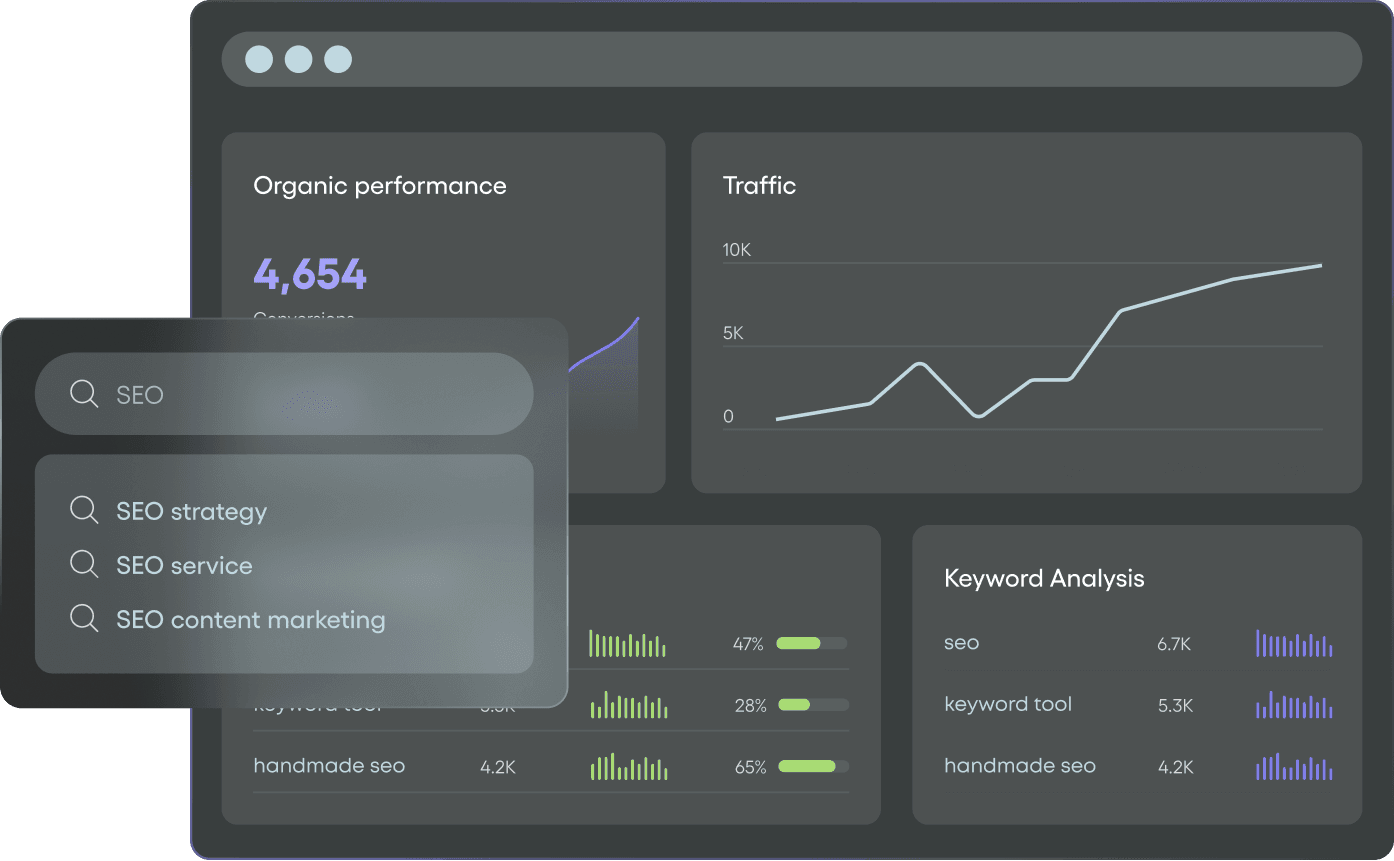
WebSocket Integration: Enabled real-time communication, auctions, and live updates using Socket.io.
Redis Optimization: Used Redis for caching, session storage, and managing real-time auction states.
Scalable Infrastructure: Designed a system capable of handling high concurrency and large-scale traffic.
Built with Scalability in Mind
Horizontal Scaling: Implemented load-balanced architecture to handle traffic spikes efficiently.
Background Processing: Used BullMQ to offload heavy tasks like logistics calculations and notifications.

Seamless Ecosystem Integration
End-to-End Platform: Integrated discovery, negotiation, logistics, and transactions into one ecosystem.
On-Demand Services: Enabled geospatial services like towing and recovery using PostGIS.
Real-Time Tracking: Provided live tracking of services using WebSocket and geolocation data.

High Security and Performance
Authentication & Authorization: Implemented JWT authentication with role-based access control.
Data Validation: Used schema validation to ensure data integrity at every API level.
Secure Architecture: Built a defense-in-depth system to protect user data and financial transactions.